

Indirect labor (part of manufacturing overhead) includes the production supervisors who oversee production for several different boats and product lines. Non-manufacturing costs include those costs that are not incurred in the production process but are incurred for other business activities of the entity. These costs do not specifically contribute to the actual production of goods but are essential to ensure overall functioning of the business. For accounting purposes, nonmanufacturing costs are expensed periodically (typically in the period they are incurred). However, for management objectives, nonmanufacturing costs include managers frequently require the assignment of nonmanufacturing costs to goods.
1. Direct materials as a type of manufacturing costs
- Examples of administrative costs include salaries of executives, accounting costs, and general administration costs etc.
- To begin, it is important to understand that cost measurement in service industries differs from traditional manufacturing costing methods.
- These informed decisions help in maximizing productivity and profitability.
- That is why accountants refer to nonmanufacturing costs as period costs or period expenses.
- Table 2.2 provides several examples of manufacturing costs at Custom Furniture Company by category.
Manufacturing cost is the core cost categorization for a manufacturing entity. It encompasses the costs that must be incurred so as to produce marketable inventory. Entities may manufacture several types of products and the sum total of all the costs involved in producing those products is termed as QuickBooks manufacturing cost. Explore the critical distinctions between manufacturing costs and non-manufacturing costs, essential for effective managerial accounting and decision-making.
How Matt Passed the CPA Exams in 5 Months with No Accounting Experience
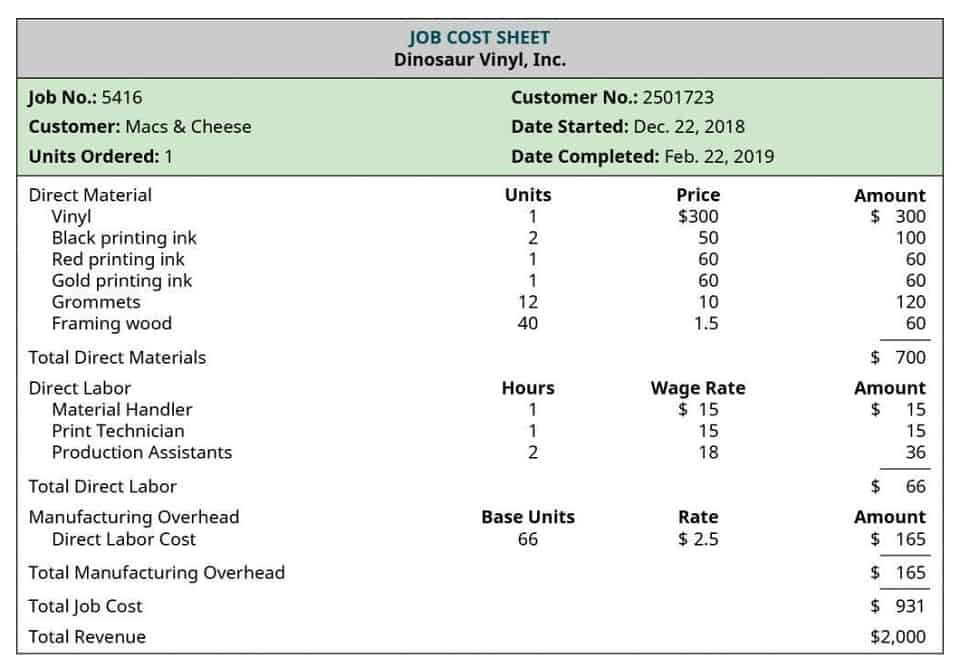
Factory overhead – also called manufacturing overhead, refers to all costs other than direct materials and direct labor spent in the production of finished goods. Analyzing overhead costs in service-based organizations is essential for understanding the total cost of providing services or performing functions. By considering different perspectives, utilizing cost allocation methods, and conducting in-depth analysis, organizations can make informed decisions to optimize their operations and improve profitability.
- Learn the critical non-production expenses—selling, G&A—and how they are immediately expensed as period costs on the income statement.
- For instance, let’s say a company has an existing inventory worth $1,500.
- By considering different perspectives, utilizing cost allocation methods, and conducting in-depth analysis, organizations can make informed decisions to optimize their operations and improve profitability.
- By focusing on activities and their drivers, organizations can make informed decisions, improve resource allocation, and enhance overall efficiency.
- Manufacturing cost calculation gives an accurate view of the costs allowing companies to eliminate irrelevant costs and optimize resource utilization to boost profitability.
Financial Reporting vs. Individual Products and Customers

Be sure to allocate overhead costs to the respective cost centers (specific departments, processes, or machines in the manufacturing facility that contribute to the manufacturing costs). Accurate cost calculation helps companies identify the processes or materials that are driving up manufacturing costs and determine the right pricing of products — the keys to remaining profitable. In summary, the section on “Cost Measurement Techniques for Service Industries” explores approaches such as activity-based costing, time-driven activity-based costing, customer profitability analysis, and cost benchmarking.
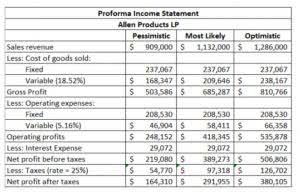
It includes cost of raw materials used (direct materials), direct labor, and factory overhead. Manufacturing overhead includes the indirect materials and indirect labor mentioned previously. Other manufacturing overhead items are factory building rent, maintenance and depreciation for production equipment, factory utilities, and quality control testing. Examples of marketing and selling costs include advertising costs, order taking costs and salaries of sales persons etc. Examples of administrative costs include salaries of executives, accounting costs, and general administration costs etc.
- These costs are not directly tied to the production of goods or services, but rather to the overall operation of the company.
- As you can see, by collecting cost data and calculating it accurately, businesses can optimize cost management and set the right price for their products to gain a competitive advantage.
- Since nonmanufacturing overhead costs are outside of the manufacturing function, these nonmanufacturing costs are immediately expensed in the accounting period in which they are incurred.
- Direct labor would encompass the wages of workers assembling the bicycles.
Start by making a list of all the direct materials that are used to make the specific product and obtain the https://www.easyway.co.nz/what-is-an-estimate-kuhn-llp-legal-counsel/ cost information for the direct materials you have identified. Now that you are familiar with the components that constitute manufacturing costs, let’s move on to the process of calculating these expenses. When you add up all these direct costs, you get the Cost Of Goods Sold (COGS), a term used in accounting when preparing the company’s financial statement.
